
Cycling Basics for Getting Started Again
Haven't ridden in years? We cover bike setup, pacing yourself, what to bring, and how to build distance gradually without pain or strain.
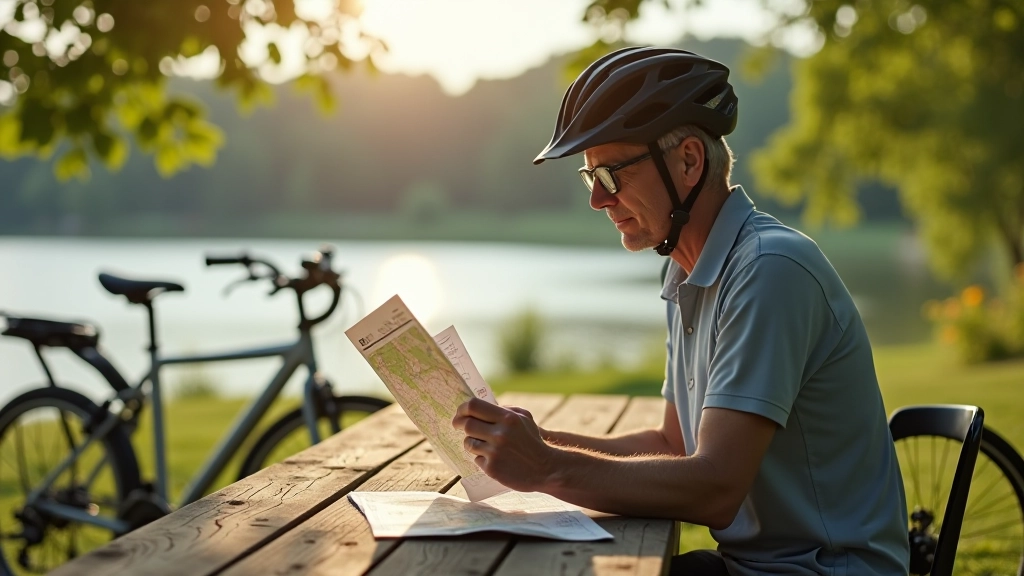
Why Now Is the Right Time
Getting back on a bike after years away can feel daunting. You might worry you've lost fitness or that your body won't cooperate. Here's the thing — cycling is forgiving. It's low-impact, you control the pace, and most people find their confidence returns faster than they expect. We're here to walk you through the essentials so you can start comfortably and actually enjoy the process.
Getting Your Bike Ready
Before you ride, spend 15 minutes checking basics. You don't need an expert — just look for obvious problems.
- Tire pressure: Check sidewalls for recommended PSI. Most tires lose air over time, especially if the bike's been sitting. Pump them up so they feel firm but not rock-hard.
- Brakes: Squeeze the levers. They shouldn't go all the way to the handlebars. Spin the wheel and listen — if brake pads rub, you'll hear it.
- Saddle height: Sit on the saddle and put one pedal at its lowest point. Your leg should have a slight bend at the knee. Too high causes hip rocking; too low strains the knees.
- Chain: If it's dry and squeaky, a few drops of chain oil help. Don't oversaturate — wipe off excess.
Start Slow — Literally
This is where most people trip up. They ride too hard too fast and feel wrecked for days. You'll build fitness faster by starting conservatively.
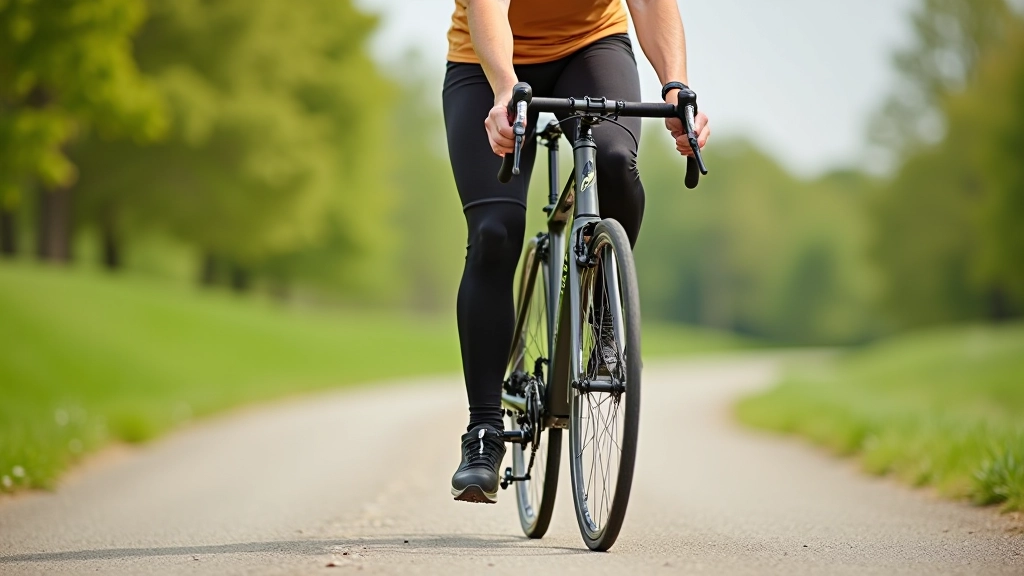
Your first ride should feel easy. You should be able to talk while pedaling. If you're breathing hard, you're going too fast. Aim for 20–30 minutes at a relaxed pace. That's plenty. Your legs might feel stiff the next day — that's normal. It passes in 48 hours.
Week two, you can push it slightly. Maybe 30–40 minutes or a bit more speed. But stay in that "I can talk" zone. By week four or five, you'll notice a real difference. Climbs won't feel as hard. Your cadence feels smoother. That's when you can start experimenting with longer rides or slightly faster pace.
What to Bring on Your Ride
You don't need much, but a few things make the difference between a pleasant ride and a frustrating one.
Water
A small bottle or hydration pack. Even on short rides, you'll appreciate sipping water. Dehydration sneaks up and makes everything harder.
Phone & ID
Keep your phone in a small bag or pocket. Bring ID and any relevant medical info just in case. Most rides go smoothly, but it's good practice.
Sun Protection
Sunscreen, sunglasses, and a hat or helmet visor. You'll be outside longer than you think. UV exposure adds up quickly.
Basic Tools
A small multi-tool and a spare tube (if you're comfortable changing one). For short neighborhood rides, you might skip this. For longer trips, worth carrying.
Lights (Evening Rides)
If you ride at dusk or dawn, clip lights to your frame. Visibility matters for safety. Small battery lights are cheap and effective.
Route Plan
Screenshot a map or download an offline map app. Knowing where you're going reduces stress and lets you enjoy the ride.
Listen to Your Body
Soreness in the first week is normal. Your legs, backside, and hands might feel tender. It fades. But sharp pain — especially in knees or lower back — is your body saying something's wrong. Stop, rest, and check your setup. It's usually a saddle height issue or you're pushing too hard.
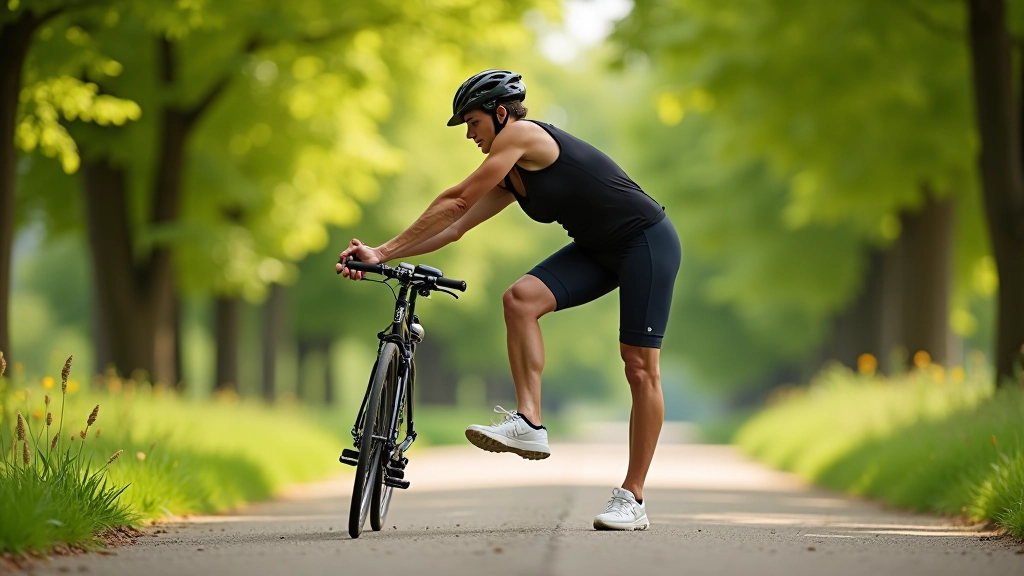
Chamois cream (padded cycling shorts help too) reduces saddle soreness. Wear gloves if your hands go numb — it helps with grip and reduces vibration. And don't skip stretching after rides. Five minutes of easy stretching keeps you mobile and reduces next-day stiffness.
Building Distance Over Time
Most people can double their distance in 4–6 weeks if they're consistent and patient. Here's a realistic timeline:
Week 1–2
20–30 minute rides, flat terrain. Focus on form and enjoying being outside. Don't worry about distance.
Week 3–4
30–45 minute rides. Add one gentle hill or slightly longer flat route. Your legs feel stronger now.
Week 5–6
45–60 minute rides. You can handle rolling terrain. Fitness is noticeably better. Consider a longer weekend ride.
Week 7+
60+ minute rides feel manageable. You're ready for the longer lake routes. Aim for 2–3 rides per week to maintain gains.
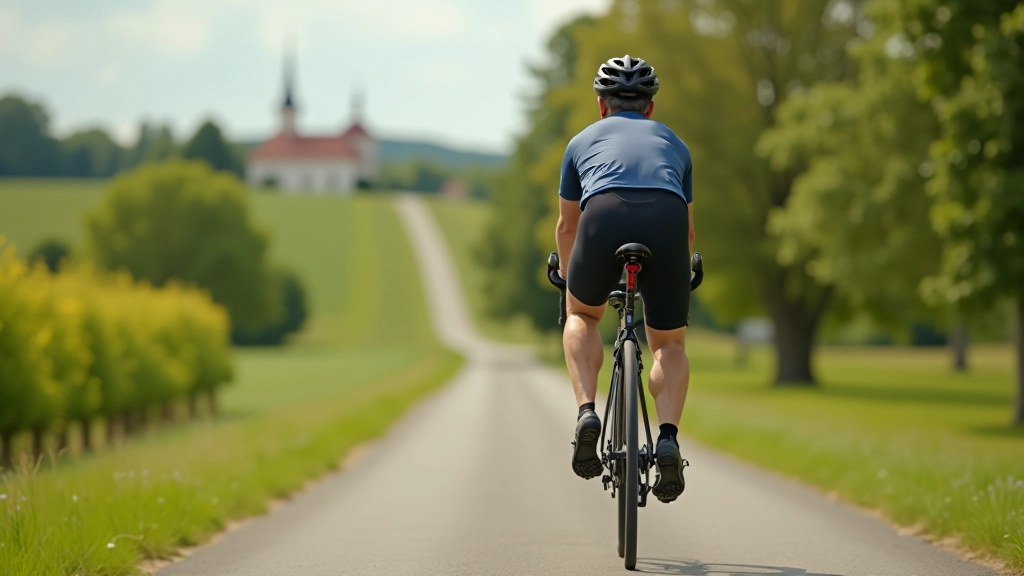
Invest in Comfort (Without Breaking the Bank)
You don't need expensive gear, but a few things genuinely help. Padded cycling shorts are worth it — they're 20–40 euros and make a huge difference. Gloves prevent numb hands and give you something to wipe sweat on. A decent helmet isn't optional; it's essential.
Clothing-wise, wear layers. Cotton absorbs sweat and stays damp. Synthetic or merino blends dry faster and keep you comfortable. You don't need "cycling clothes" — regular athletic wear works fine. But moisture-wicking matters more than you'd think.
Choose activities that match your fitness level, check local conditions before travelling, and speak with your GP if you have health concerns before starting a new activity. Cycling is generally low-impact, but any new exercise should be approached gradually, especially after time away from activity.
Ready to Get Started?
You've got everything you need. A working bike, realistic expectations, and a solid plan to build distance gradually. That's honestly most of it. The Trakai lake routes are perfect for building back fitness — flat, scenic, and designed for exactly this kind of return to cycling. Pick a calm day, dress appropriately, and give yourself permission to take it easy. You'll surprise yourself with how quickly your confidence returns. Before long, those longer routes won't feel so daunting.
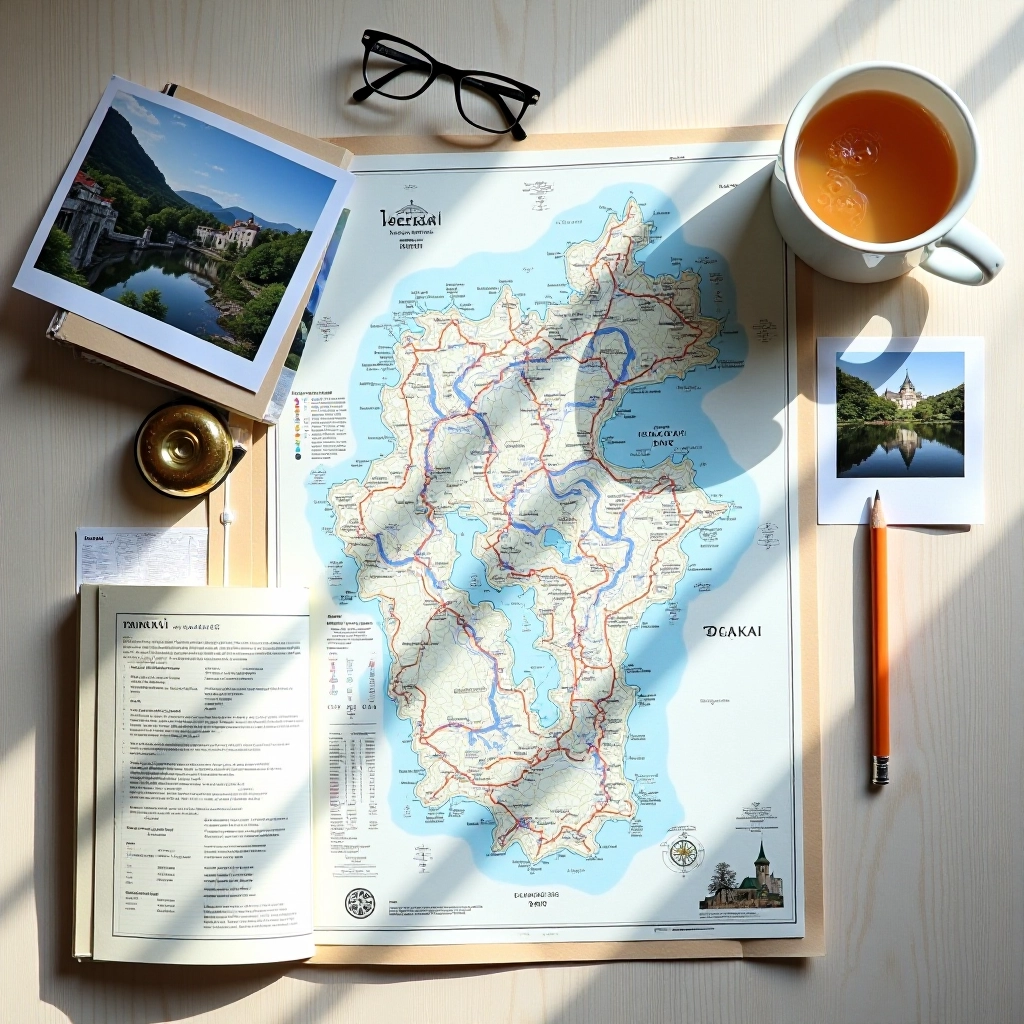
Lakeside Cycling Editorial Team
Editorial Team
Written by the Lakeside Cycling editorial team, focused on practical route research and honest trail descriptions for retirees.
Explore More Routes
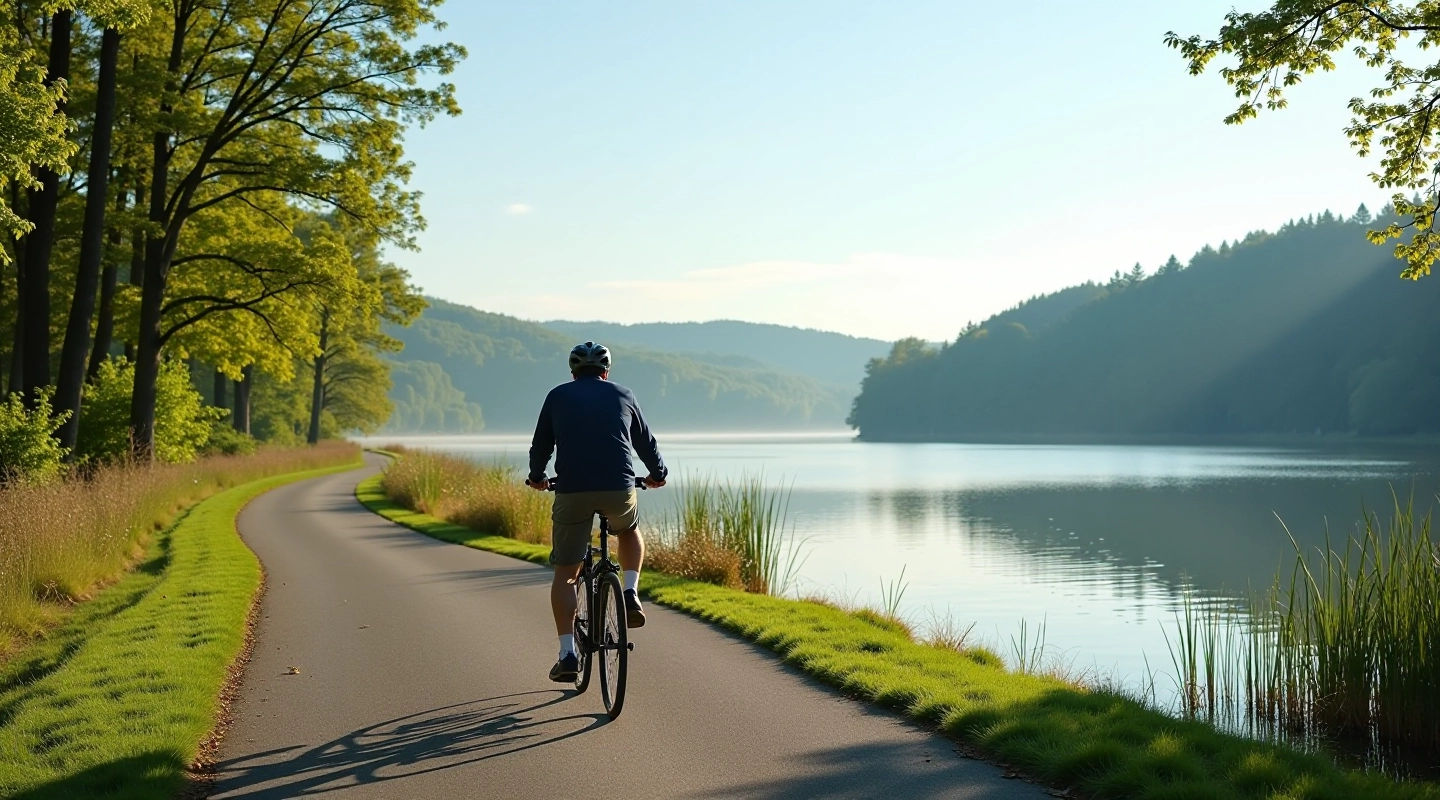
The Main Loop Route — Easy 12km Around the Lake
Flat paved path with rest stops every 2-3km. Takes about 90 minutes at a relaxed pace.
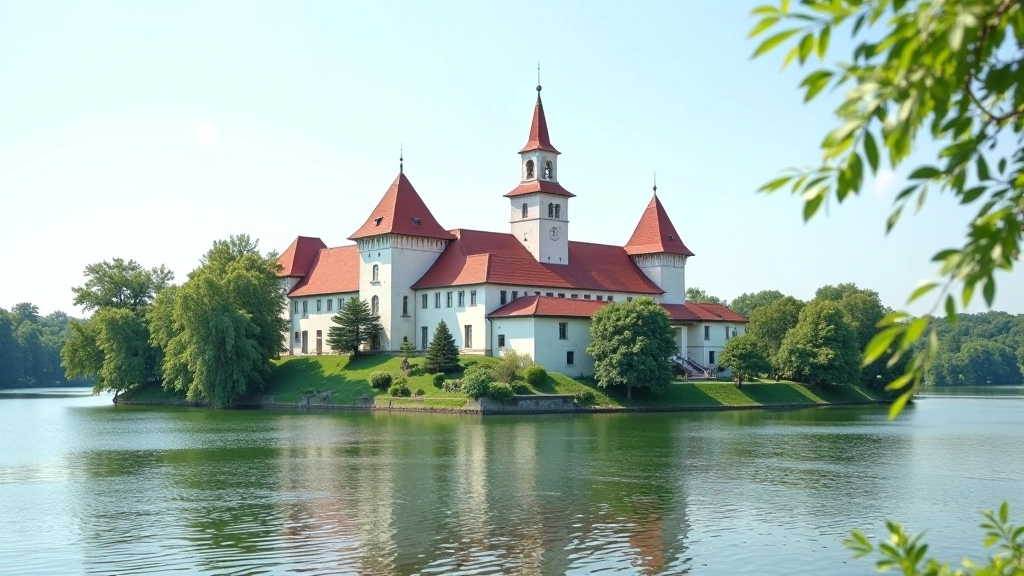
Castle Route — Shorter Loop with Historic Stops
A 7km route focusing on the island castle and old town. Includes gentle climbs and historical markers.
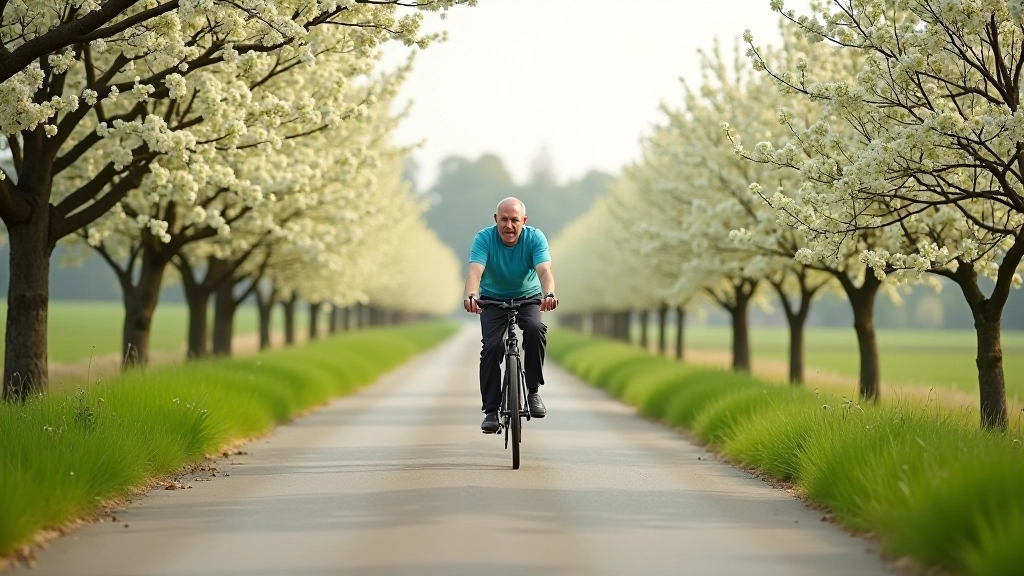
Orchard Route — Scenic Path Through Fruit Farms
Follow quiet country roads past local apple and cherry orchards. Mostly flat with peaceful surroundings.