
The Main Loop Route — Easy 12km Around the Lake
Flat paved path with rest stops every 2-3km. Takes about 90 minutes at a relaxed pace. Best for beginners and those easing back into cycling.
Why This Route Works for Getting Back on the Bike
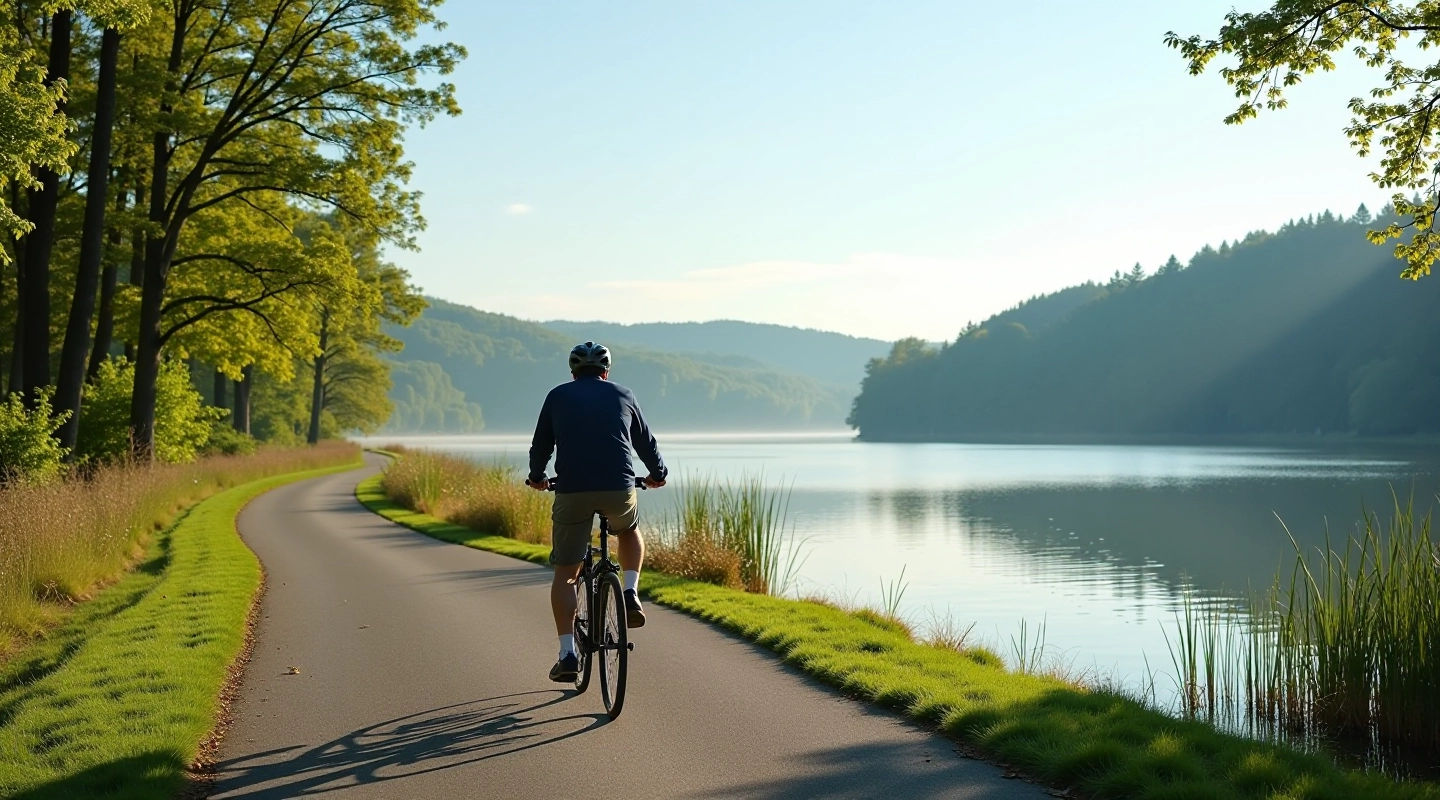
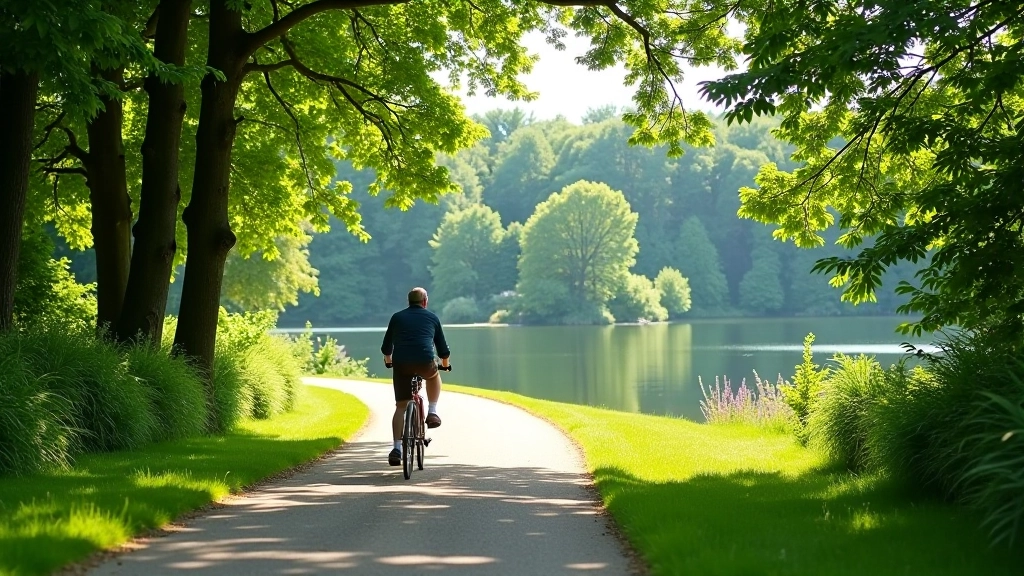
Haven't cycled in a while? This route is exactly what you need. It's completely flat, fully paved, and doesn't rush you. The path circles the lake with water views the whole way, so you're not just pedaling — you're actually enjoying being outdoors.
Most people finish in about 90 minutes at a comfortable pace. That's long enough to feel like real exercise, but short enough that you won't be exhausted. You'll pass rest areas every 2-3km where you can sit, have water, and watch the water birds. It's practical without being punishing.
The Route Breakdown
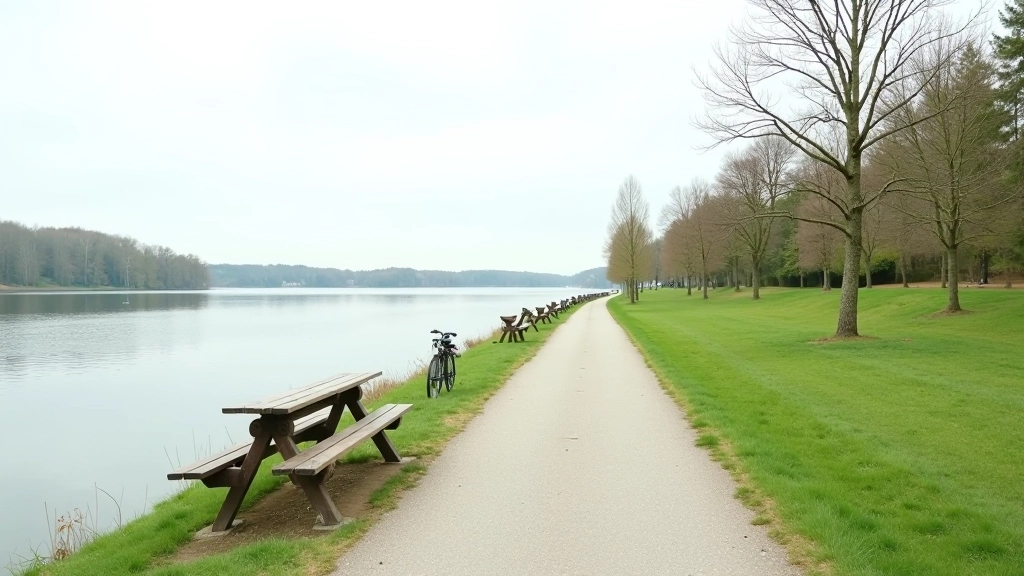
The Main Loop starts at the central lakeside parking area and follows a dedicated cycling path that hugs the shoreline. The path is smooth asphalt throughout — no gravel sections, no rough surfaces. Width is comfortable for solo riders, and you won't encounter steep hills.
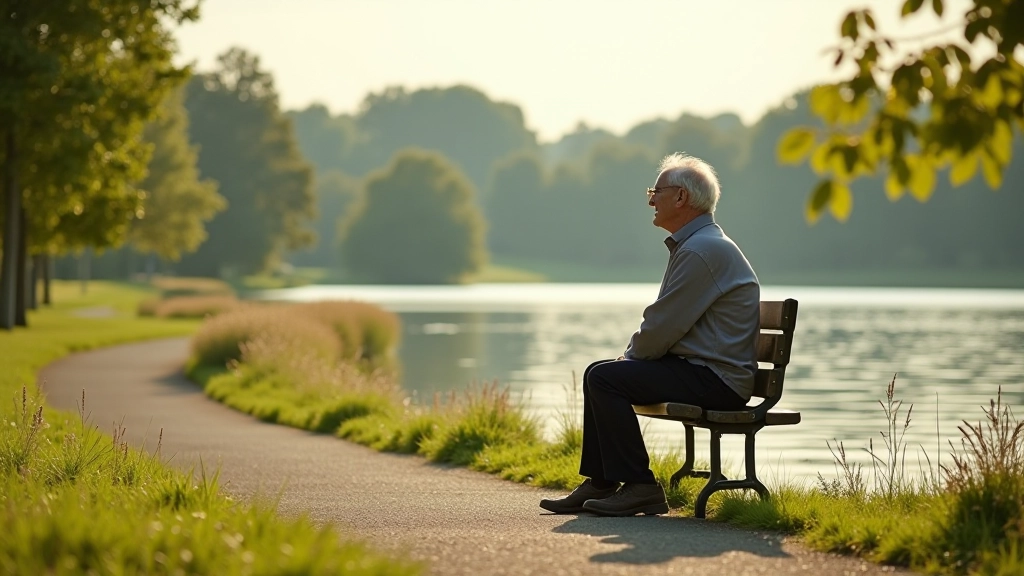
Rest stops are marked with benches and small shelters. At the 3km mark, there's a water fountain. Around 6km, you'll find a covered pavilion where lots of people stop for a proper break. The final 6km is more open with fewer stops, but it's actually the easiest section because you're feeling stronger by then.
You're never far from the water. On clear days, you'll see across to the other shore. In early morning or late afternoon, the light on the water makes it worth slowing down just to look around. It's not a race. It's a proper bike ride.
What to Bring and Know Before You Go
Water is Essential
Bring at least 1-2 liters. Yes, there's a fountain at the 3km mark, but it's better to have your own bottle. Hydration matters more when you're starting out again.
Sun Protection
Sunscreen, a hat, and sunglasses. The path has some shaded sections under trees, but you're exposed for long stretches. Don't underestimate reflection off the water.
Keep Your Phone Charged
Cell coverage is good along the entire route, but if something happens, you'll want to reach someone. A power bank weighs almost nothing.
Helmet Isn't Optional
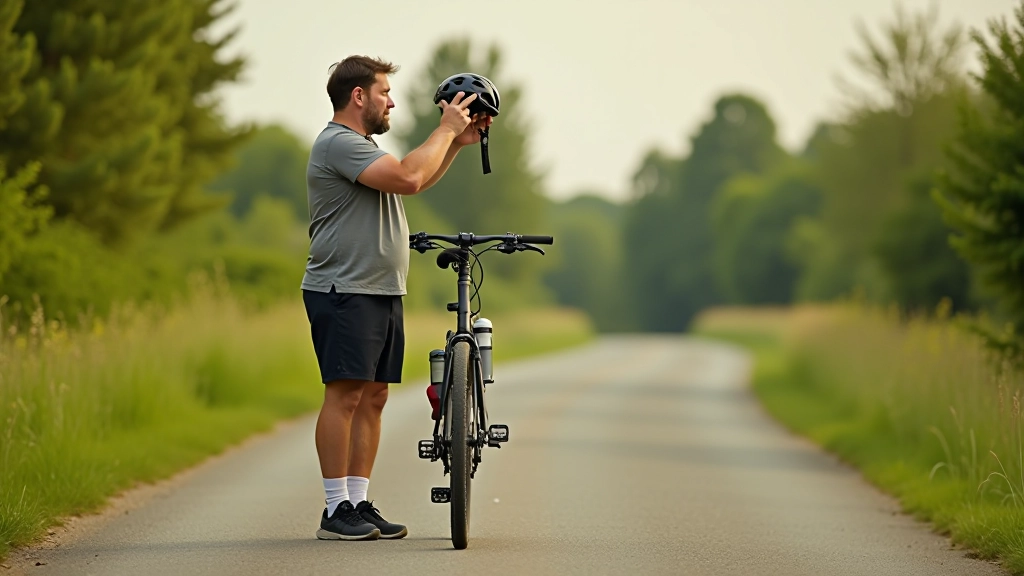
The path is safe and well-maintained, but a helmet is still required. Falls happen, and your head's not worth the risk. Modern helmets are lightweight and comfortable.
Best Times and Weather Considerations
The route's open year-round, but summer through early autumn is ideal. July and August are warm — plan for morning or late afternoon rides to avoid midday heat. Water stays calm, paths are dry, and the light is beautiful.
Spring and autumn are pleasant but can be windy. The open water means wind funnels along the path. It's not dangerous, just something to know. You might feel it more than you'd expect.
Winter's possible but not recommended for beginners getting back into cycling. The path doesn't ice often, but it's damp and cold. Your muscles work harder in cold, and recovery takes longer. Wait for warmer months when you're building fitness again.
Rain doesn't close the path, but wet asphalt can be slippery. If you're still regaining confidence on the bike, skip it when it's raining. There's no shame in waiting for better conditions.
Getting Started: Pacing Yourself
The biggest mistake people make is going too fast. You're not trying to break records. You're rebuilding your fitness and rediscovering how good it feels to be on a bike.
Start Easy
Your first ride doesn't need to be the full 12km. Try 5-6km, rest at one of the pavilions, then decide if you want to keep going. Your legs will tell you what they're ready for.
Use the Gears
Even on flat terrain, shifting to an easier gear keeps your legs fresher. Steady pedaling in an easy gear beats pushing hard in a heavy gear. You'll feel better and recover faster.
Rest When You Need It
Don't wait until you're exhausted to stop. The benches are there. Sit, drink water, breathe. A 5-minute break now means you'll enjoy the rest of the ride.
Build Over Weeks
After a few rides, you'll notice it gets easier. Your legs adapt quickly once you start moving. By week three, the full 12km won't feel like a challenge anymore.
Before You Start
Choose cycling activities that match your fitness level. Check local conditions and weather before heading out. If you have any health concerns or haven't been active recently, speak with your GP before starting a new physical activity. This route is designed to be accessible, but your body's limits are yours to know.
Author
Lakeside Cycling Editorial Team
Editorial Team
Written by the Lakeside Cycling editorial team, focused on practical route research and honest trail descriptions for retirees.
More Routes to Explore
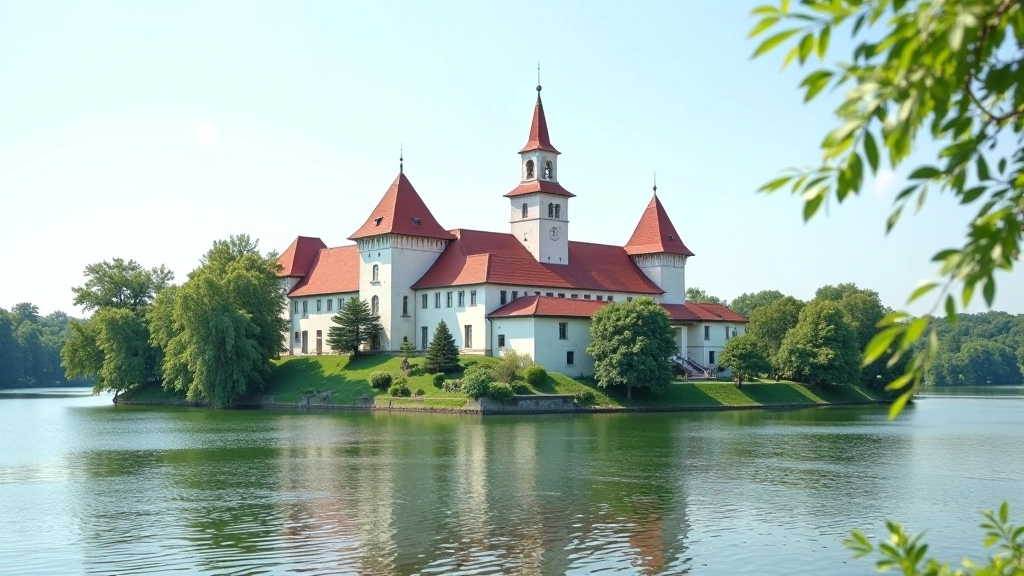
Castle Route — Shorter Loop with Historic Stops
A 7km route focusing on the island castle and old town. Includes gentle climbs and cultural points of interest.
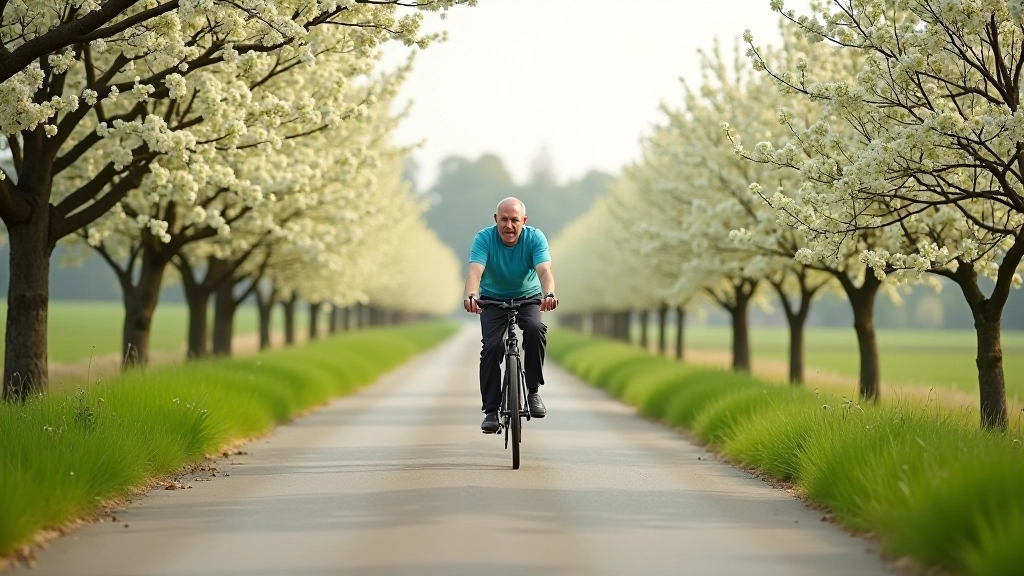
Orchard Route — Scenic Path Through Fruit Farms
Follow quiet country roads past local apple and cherry orchards. Mostly flat with seasonal farm stops.
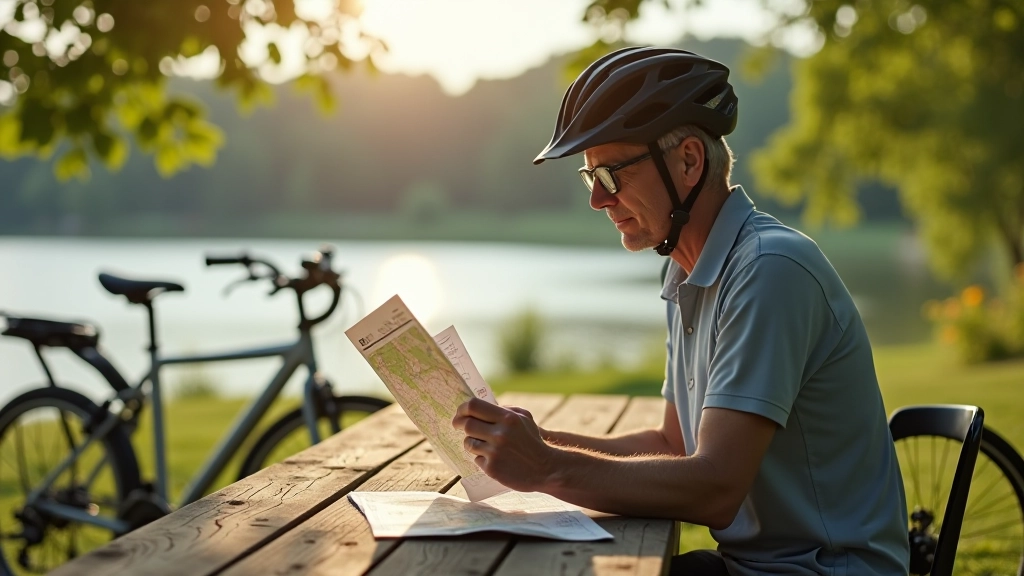
Cycling Basics for Getting Started Again
Haven't ridden in years? We cover bike setup, pacing yourself, what to bring, and realistic expectations.