
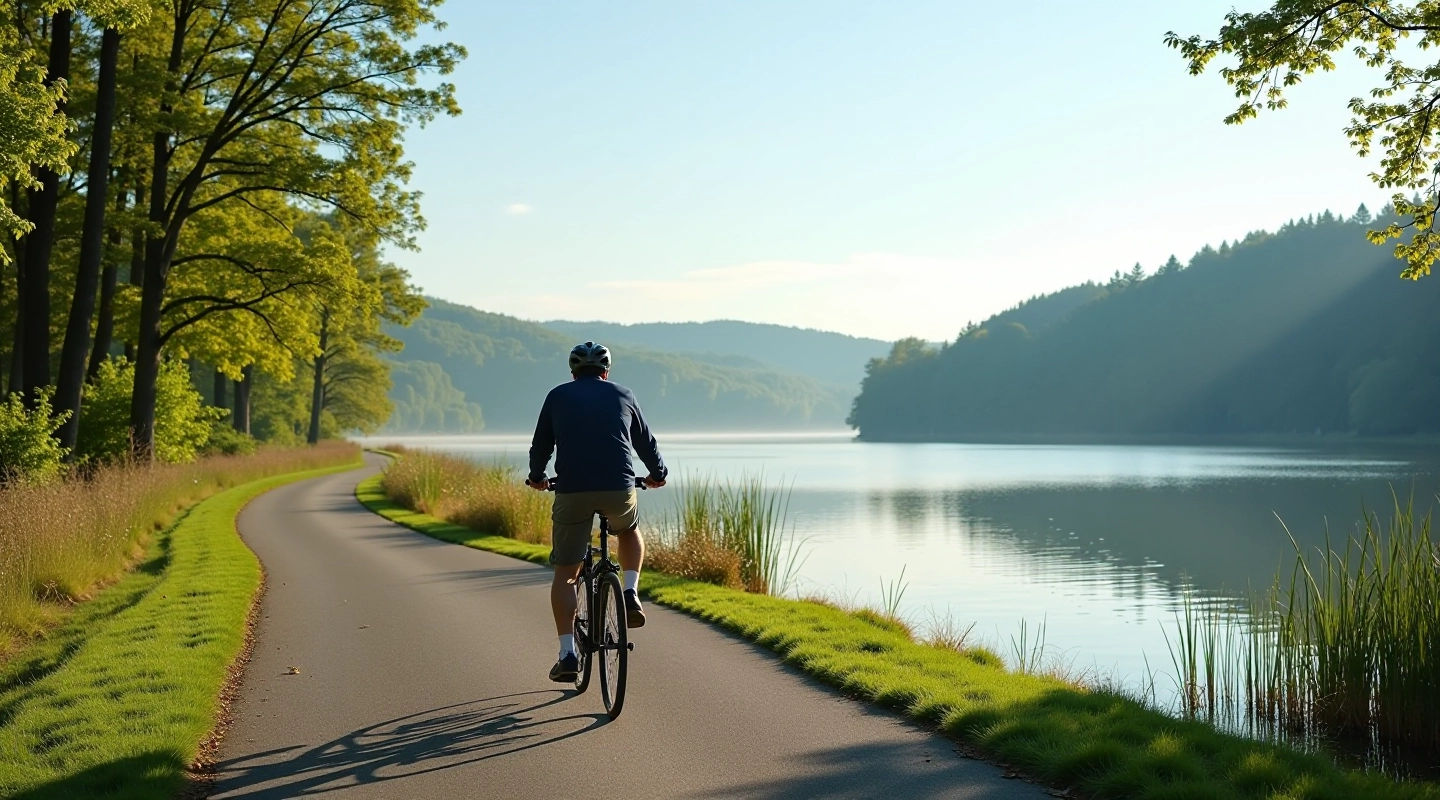
The Main Loop Route — Easy 12km Around the Lake
Flat paved path with rest stops every 2-3km. Takes about 90 minutes at a relaxed pace.
Follow quiet country roads past local apple and cherry orchards. Mostly flat with minimal traffic. Stop at farm stands along the way. About 10km round trip.
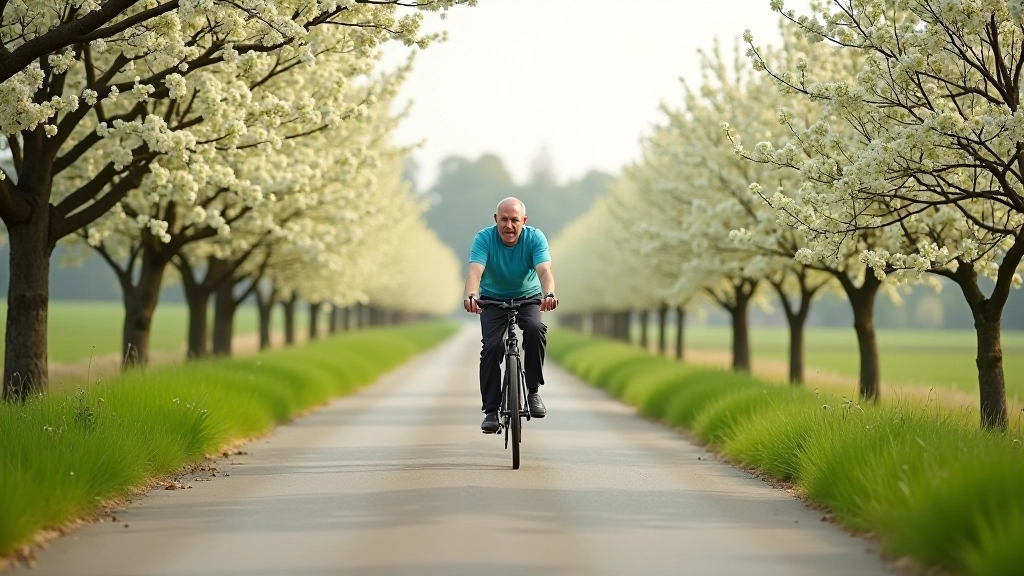
This route isn't just a bike ride — it's a journey through working farmland where you'll see how local fruit gets grown. The roads are quiet, the scenery changes with the seasons, and there's genuine charm in stopping at a farm stand for fresh cherries or apples.
You'll pedal past dozens of small orchards that have been family-owned for generations. Spring brings blossoms. Summer and autumn bring ripe fruit and harvest activity. Winter reveals the bare structure of the trees and the wide sky. It's a route that feels different every time you ride it.
The route starts from the outskirts of town and heads into agricultural land. You'll notice the roads change character — wider shoulders, fewer vehicles, more birdsong. The cycling is genuinely easy. There's a slight climb for maybe 2km around the midpoint, but nothing steep. Most of the route is dead flat or gently rolling.
You'll pass three farm stands where locals sell fruit, jams, and sometimes fresh juice. These aren't fancy — just simple tables under shade with an honesty box for payment. It's worth stopping at least once. The fruit tastes different when you're eating it surrounded by the trees it came from.
Rest spots aren't formal. You'll find benches at a small crossroads about 5km in, and a picnic area near the main orchard cluster. Bring water — there's a small café at 7km if you need anything, though it's closed Mondays and Tuesdays.
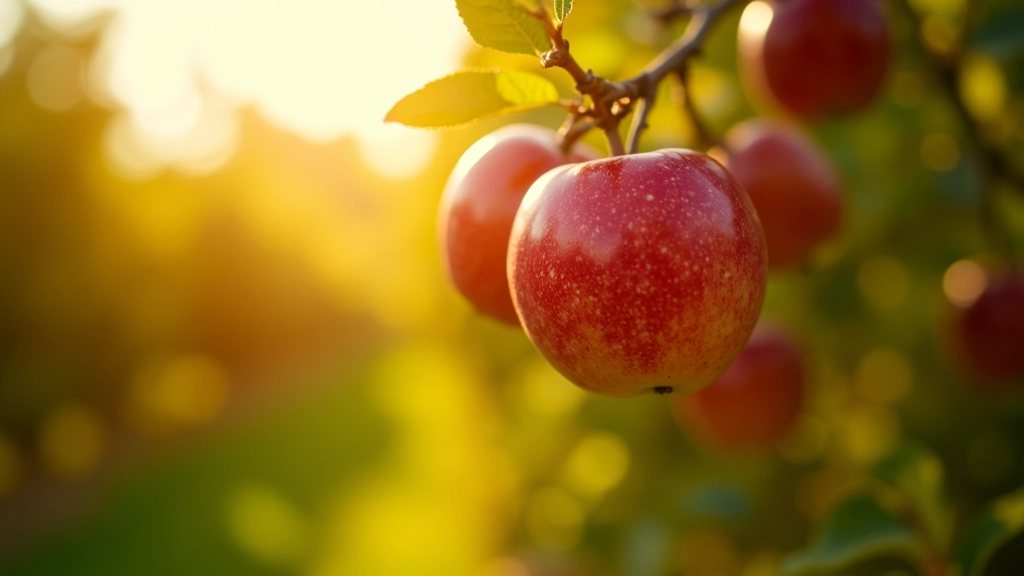
Early morning or late afternoon rides are best. The route gets hot in midsummer around noon, and there's shade only near the orchards themselves. Morning rides mean fresher fruit at the stands too.
A 750ml water bottle minimum. The route's mostly open, so sun protection matters. Sunscreen, a hat, and light clothes work better than heavy gear. A small bag or backpack if you're planning to buy fruit.
Any reliable bike works fine — road, hybrid, or gravel. The roads are all paved and well-maintained. Make sure your brakes are responsive and your tires have decent tread. Flat repairs are rare on this route, but you'll appreciate having a spare tube anyway.
Roads are clearly marked and well-signed. You won't get lost, but bring a phone or a simple map just in case. The route makes a clear loop — if you turn around, you'll recognize where you are.
Spring (May-June): Blossoms everywhere, pleasant temperatures. Summer (July-August): Hottest time, but farm stands have cold juice. Autumn (September-October): Harvest season, best fruit selection. Winter: Roads are fine, but orchards look bare.
These are working farms. Stay on the marked route, don't pick fruit without permission, and keep noise low. Wave at farmers you see. They're used to cyclists and generally friendly.
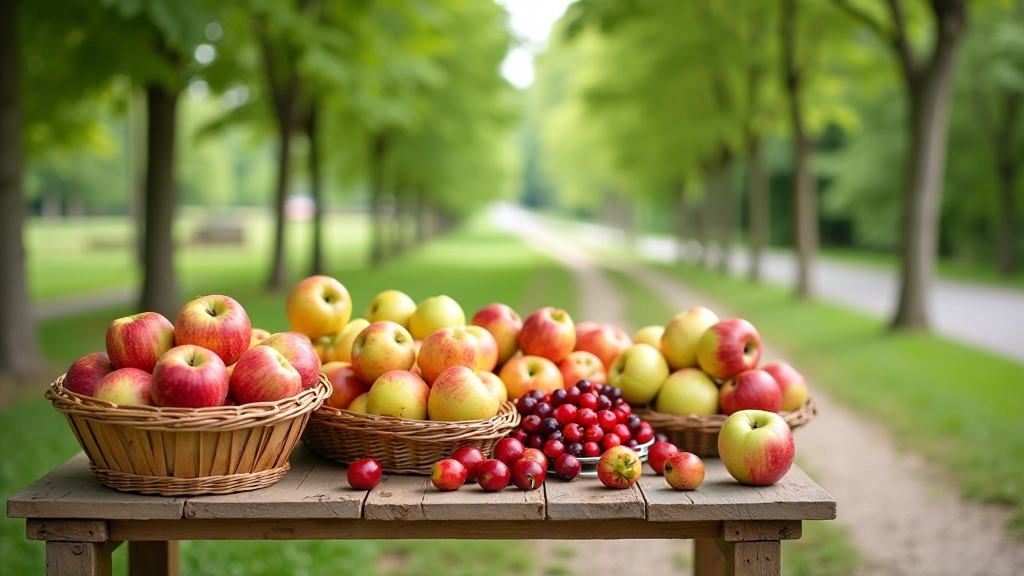
The real highlight of this route is stopping at farm stands. You won't find fancy packaging or marketing here — just fresh fruit from trees you can see. Most stands operate on honesty. You take what you want, leave cash in a box, and that's it. It's surprisingly common and it works.
Around kilometer 3, you'll find the first stand — usually apples, sometimes pears. The second stand (km 5-6) is where the cherry farmers set up during summer. The third (km 7-8) changes depending on what's ripe. Prices are lower than shops because there's no middleman. A kilogram of apples might cost what you'd pay for half a kilogram in town.
Don't rush through. Chat with whoever's running the stand if they're there. They know the orchards, the history of the area, and they genuinely appreciate when people stop by. It's one of the few places left where you can understand where your food actually comes from.
Choose a route and pace that match your current fitness level. Check local weather and road conditions before you go, especially in autumn and spring when surfaces can be slippery. If you have any health concerns, speak with your GP before starting a new cycling routine. This guide is informational — individual circumstances vary, and your safety depends on your judgment and preparation.
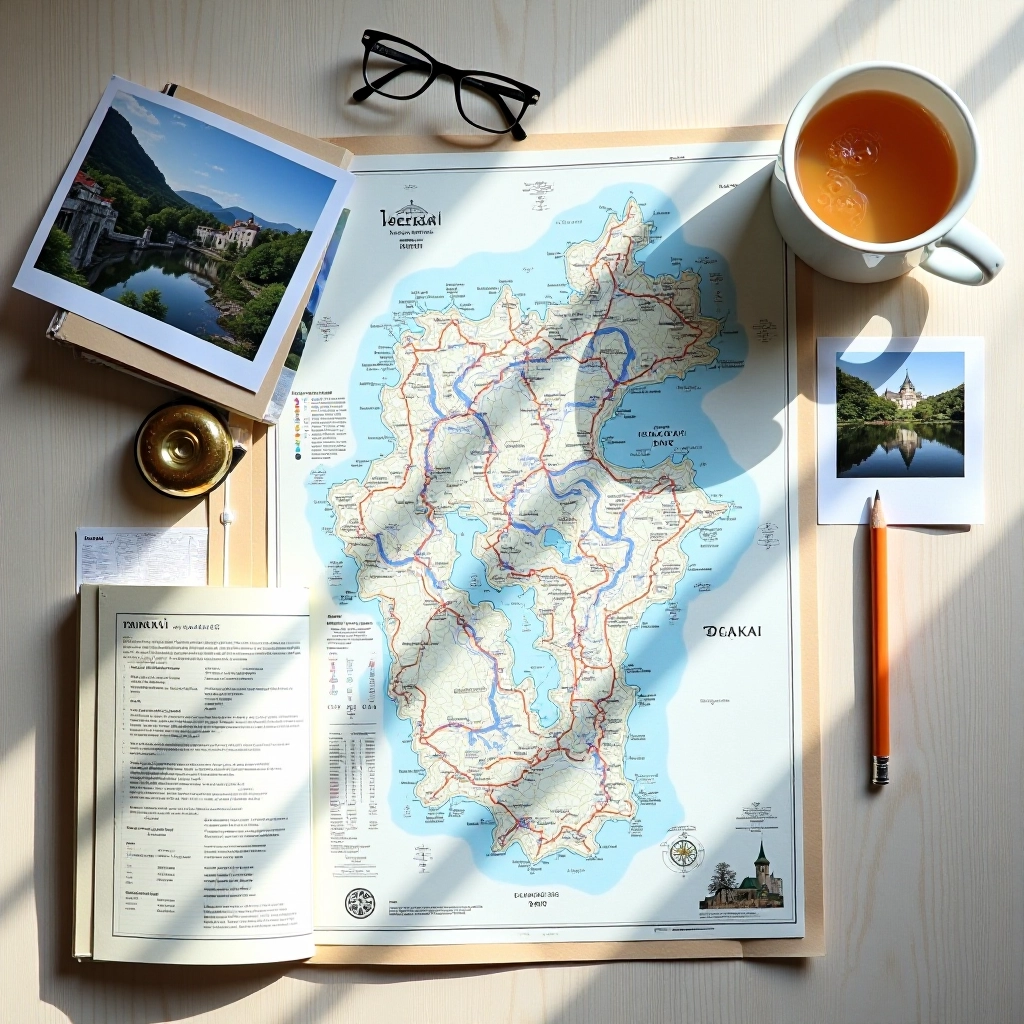
Editorial Team
Written by the Lakeside Cycling editorial team, focused on practical route research and honest trail descriptions for retirees.
Flat paved path with rest stops every 2-3km. Takes about 90 minutes at a relaxed pace.
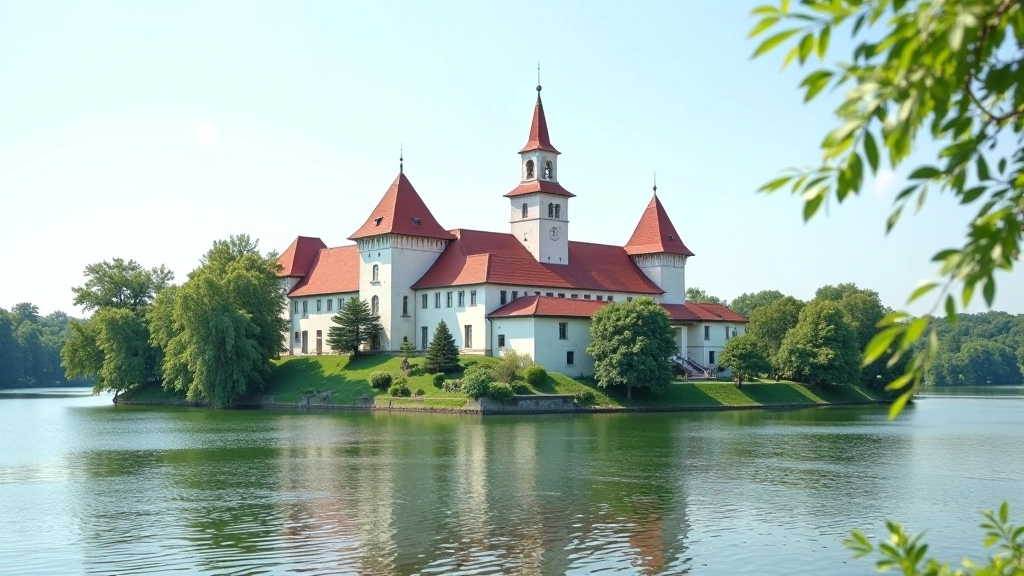
A 7km route focusing on the island castle and old town. Includes gentle climbs and excellent views.
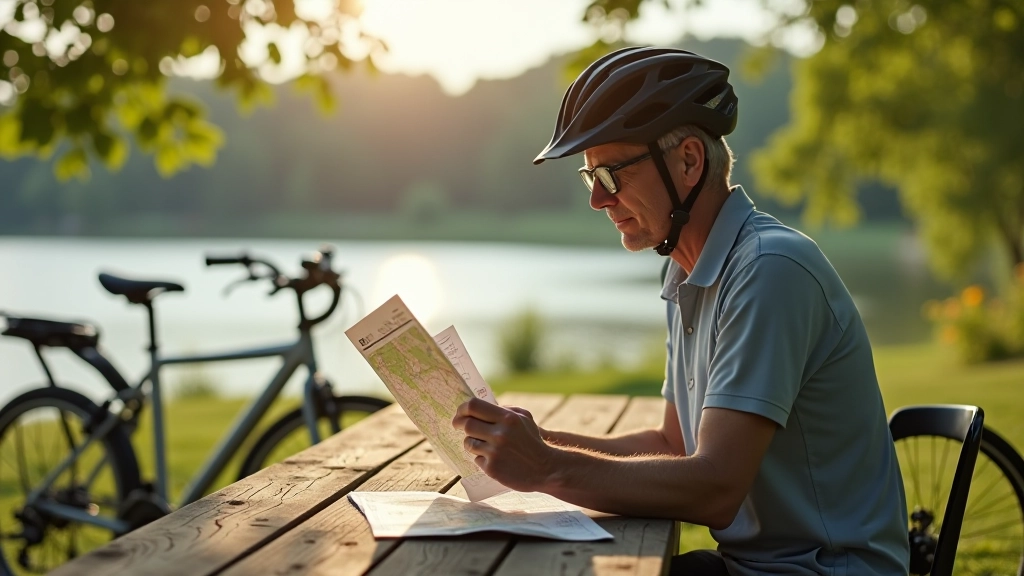
Haven't ridden in years? We cover bike setup, pacing yourself, what to bring, and building confidence.